The travel industry has been revolutionized by technology, and building your own travel portal is now easier than ever with the right tools. One of the most powerful solutions for developers is the Amadeus API, which allows seamless integration of flights, hotels, car rentals, and more into your custom travel portal. This guide will walk you through everything you need to know about creating a fully functional travel booking platform using Amadeus API.
Why Build a Travel Portal?
A travel portal connects travelers to a range of services, from flight bookings to hotel reservations and tours. Owning a travel portal can provide:
Revenue Opportunities: Earn commissions from bookings and upsell services.
Brand Authority: Establish your brand as a reliable travel platform.
Custom Experience: Tailor the user experience based on your target audience.
With the Amadeus API, developers gain access to real-time travel content and booking capabilities that can make your portal highly competitive.
Understanding the Amadeus API
The Amadeus API is a powerful travel technology solution that provides access to:
Flight search and booking
Hotel search and booking
Car rental services
Travel insights and predictive analytics
Its RESTful architecture makes it developer-friendly, enabling you to fetch, display, and manage travel data dynamically.
Steps to Build a Travel Portal Using Amadeus API
1. Plan Your Portal Features
Before writing code, decide on your portal’s core features. Essential functionalities include:
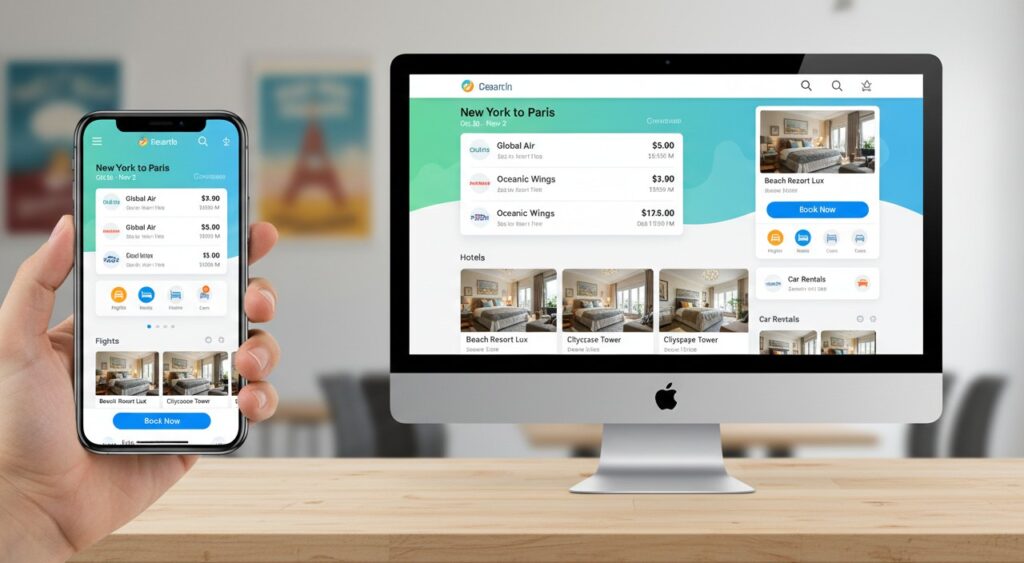
Flight, hotel, and car rental search
Booking and payment integration
User accounts and profiles
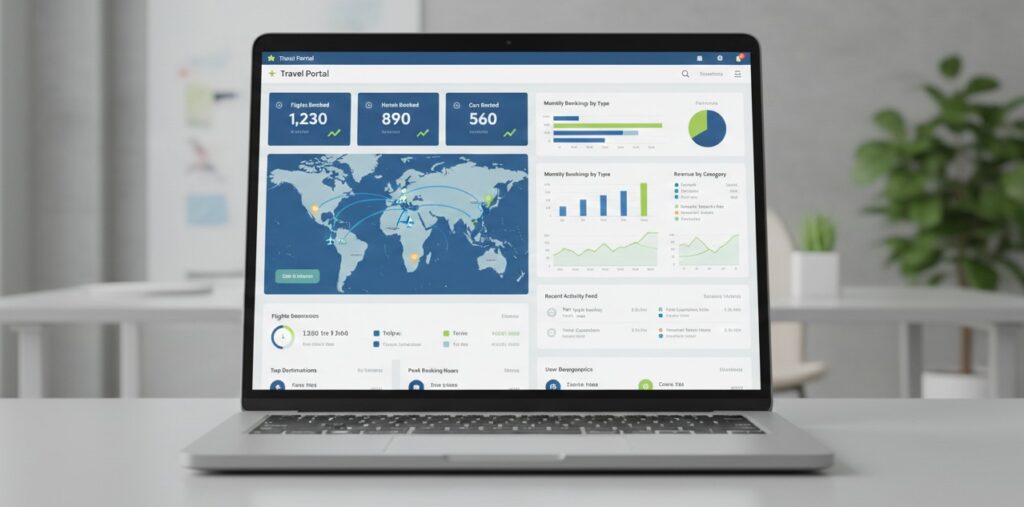
Admin dashboard for managing content and bookings
Reviews and ratings system
Optional features can include travel packages, last-minute deals, and AI-powered recommendations.
2. Set Up Your Development Environment
Choose the technology stack that suits your project:
Frontend: React.js, Vue.js, or Angular for dynamic interfaces
Backend: Node.js, Python, or PHP for handling API requests and bookings
Database: MySQL, MongoDB, or PostgreSQL for storing user and booking data
3. Get Access to the Amadeus API
To start, register for an Amadeus for Developers account. Once registered, you will receive API credentials (API key and secret) to authenticate your requests.
4. Integrate Flight Search and Booking
Use Amadeus API endpoints to fetch flight data:
Flight Offers Search API: Retrieves available flights based on origin, destination, date, and passenger count
Flight Booking API: Completes the booking process by confirming ticketing
5. Integrate Hotel and Car Rental Services
Similarly, use:
Hotel Search API: Provides hotel availability, pricing, and booking options
Car Rental API: Offers vehicle availability, rental rates, and reservation management
6. Payment Gateway Integration
To complete bookings, integrate a secure payment gateway like Stripe, PayPal, or Payoneer. Ensure PCI compliance for safe transactions.
7. Build User-Friendly Interfaces
Focus on an intuitive interface for travelers:
Advanced search filters
Real-time price comparison
Smooth booking workflow
Mobile responsiveness
8. Admin Panel
Your admin dashboard should allow:
Managing bookings and cancellations
Monitoring revenue and analytics
Managing content, packages, and promotions
9. Testing and Launch
Test your portal for:
API response times
Booking accuracy
Payment functionality
Mobile responsiveness
Once testing is complete, launch your portal and monitor its performance.
10. SEO and Marketing
Optimize your portal for search engines to attract organic traffic:
Use keyword-rich titles, descriptions, and meta tags
Include high-quality travel images
Publish blogs about travel trends and destinations
Enable social sharing options
Benefits of Using Amadeus API for Travel Portals
Real-time Data: Access to updated flight, hotel, and rental information
Global Inventory: Connect to thousands of airlines, hotels, and rental services
Scalability: Build portals ranging from niche travel platforms to large marketplaces
Automation: Reduce manual processes through automated booking and payment systems
Common Challenges and How to Overcome Them
API Rate Limits: Implement caching and efficient queries to avoid hitting limits
Complex Booking Flows: Use step-by-step booking modules to reduce errors
User Trust: Offer secure payment methods and transparent pricing
With careful planning and a structured approach, you can build a professional travel portal that attracts users and generates revenue.